The Candy Man Rescues Mystery Castle

If you drive south on 7th Street until it hits South Mountain then make the left on Mineral Canyon Road, you will find Mystery Castle. Like many cities, Phoenix has a few bits of inexplicable architecture, some of which is open to the public. Mystery Castle was one of those places until the pandemic.
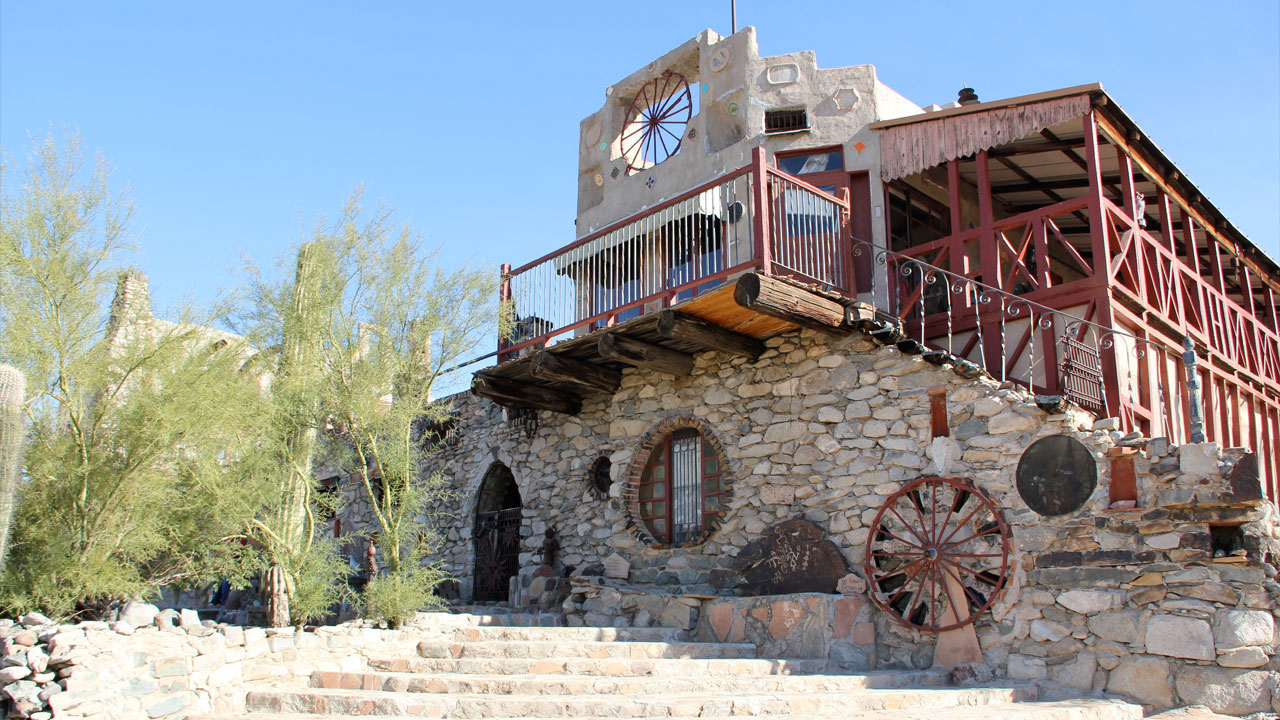
Mystery Castle in better days

Boyce Luther Gulley, who built this thing, without any notable training in construction or architecture, moved to the Valley for familiar reasons: tuberculosis, and a nasty divorce. He acquired the 7 acres at the base of the mountain in 1940 and began work on his fever-dream of a house using found materials and often his own labor. He kept at it until his death in 1952.

His daughter, Mary Lou Gulley, inherited the castle, resided in it, and opened it up as a tourist/event location, and continued like this until  her death in 2010. It passed to a private foundation, the Friends of Mystery Castle, but they were not able to cope with the pandemic and vandalism and the property has been closed for several years. It was finally put up for demolition.
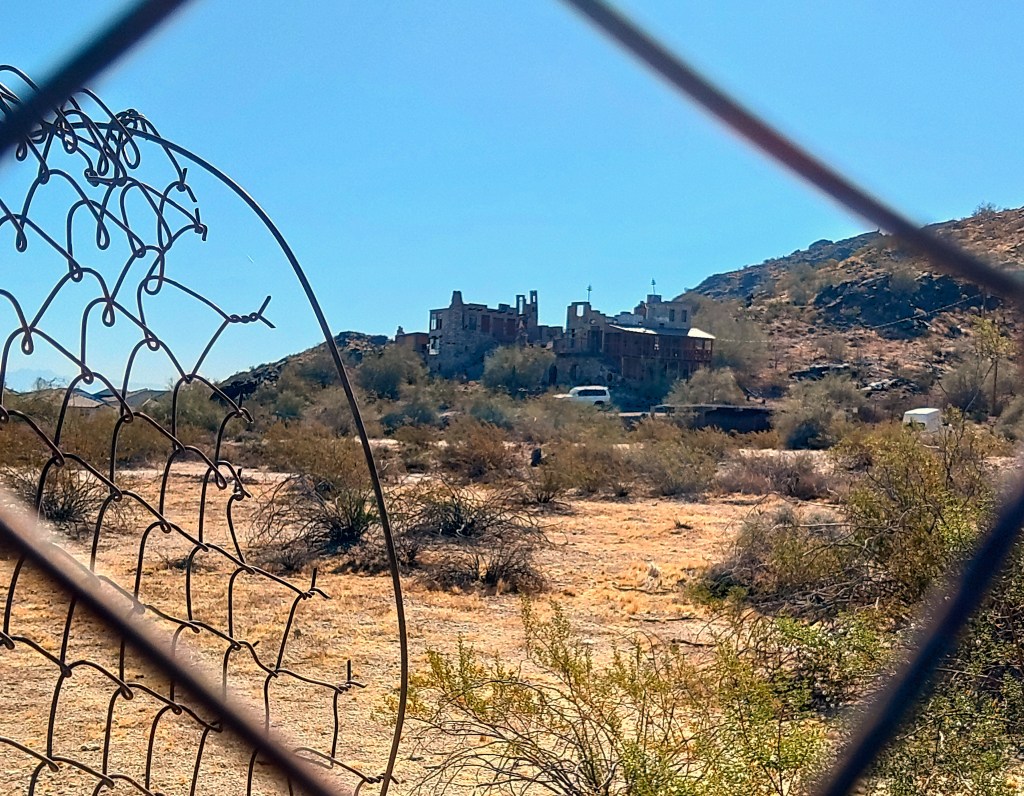
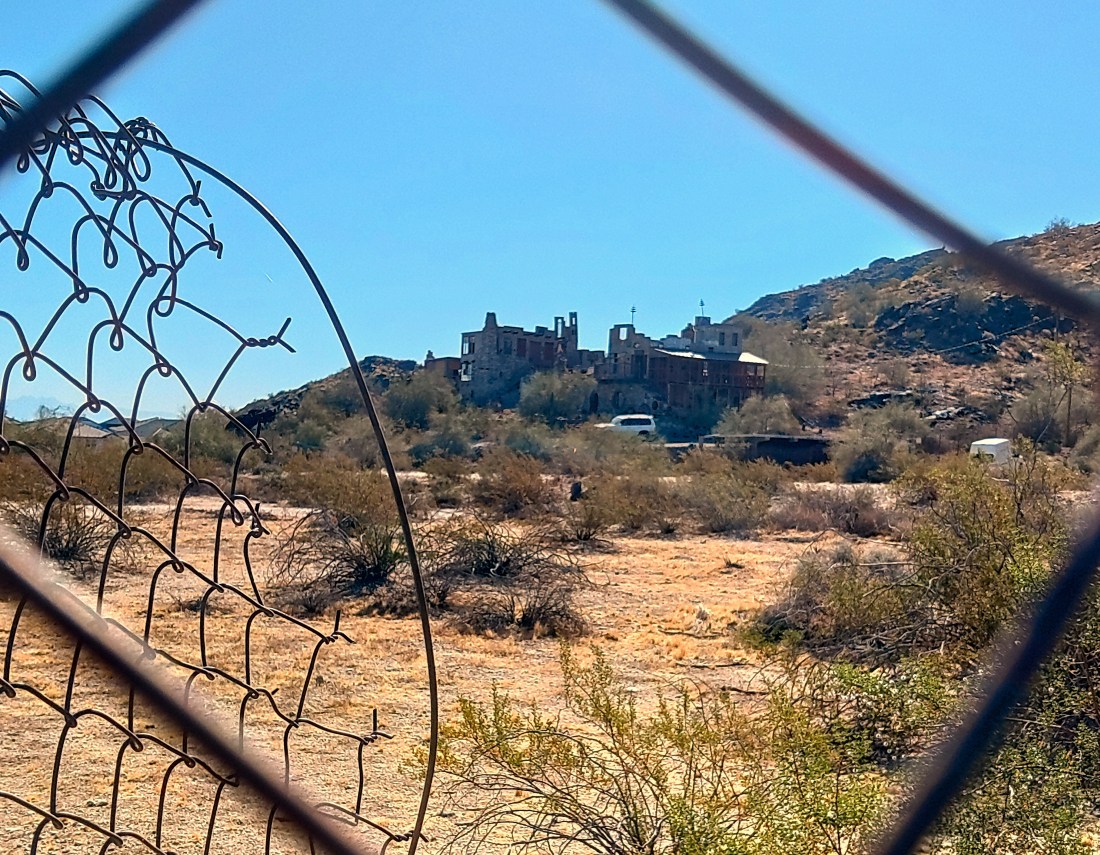
Best view of the Castle today

Enter the Candy Man.

I met the Candy Man at a community forum at the South Mountain Library on May 2nd.

First, he was introduced by R Brooks Jeffery, the consultant hired by Friends of Mystery Castle as a consultant to manage the vetting of new ownership for the castle. The overall goal he explained, with supporting power point slides, was to find an owner willing to transform the property into a “publicly accessible asset”.

They needed someone with a:

  • Plan
  • Track Record
  • Resources – meaning money.
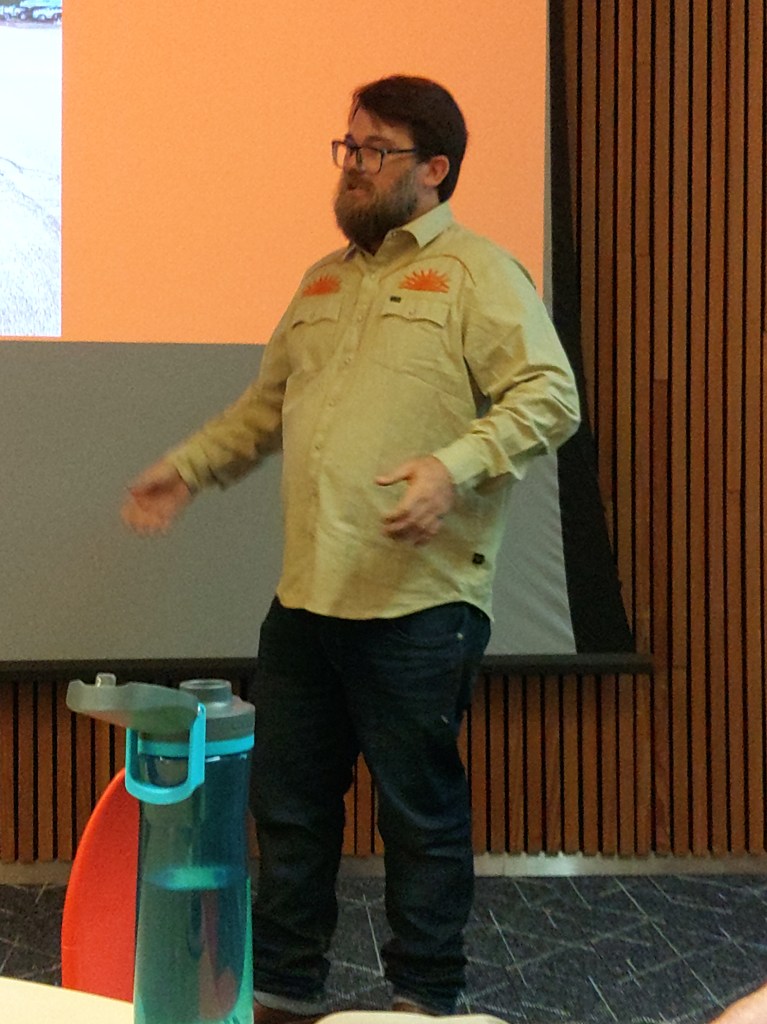
Eric Harrell explaining his vision at the forum.

The found themselves a candy man – Eric Harrell, scion of a small candy fortune, and on the side restorer of old things. He bought the property in early April. He has previously resurrected such properties as 911 Vineland in Phoenix, the Grand Theater and Gadsen Hotel in Douglass and the Butterfly Inn in Sedona because “I always love historical stuff…”

Harrell expanded,  “For this to work there has to be some kind of homogeneous terra firma with the surrounding community.”

His plan:

  • Restore the Castle to a tourable house/museum
  • Convert part of it to a guest house for an artist-in-residency
  • 9000’ sq event center/marketplace
  • 4-6 rental cabins, 2 bedroom about 600’sq.
  • Parking for above.
  • Onsite caretaker.
  • Preservation measures for the existing rock art at the east end of the property.

They are in the survey phase.
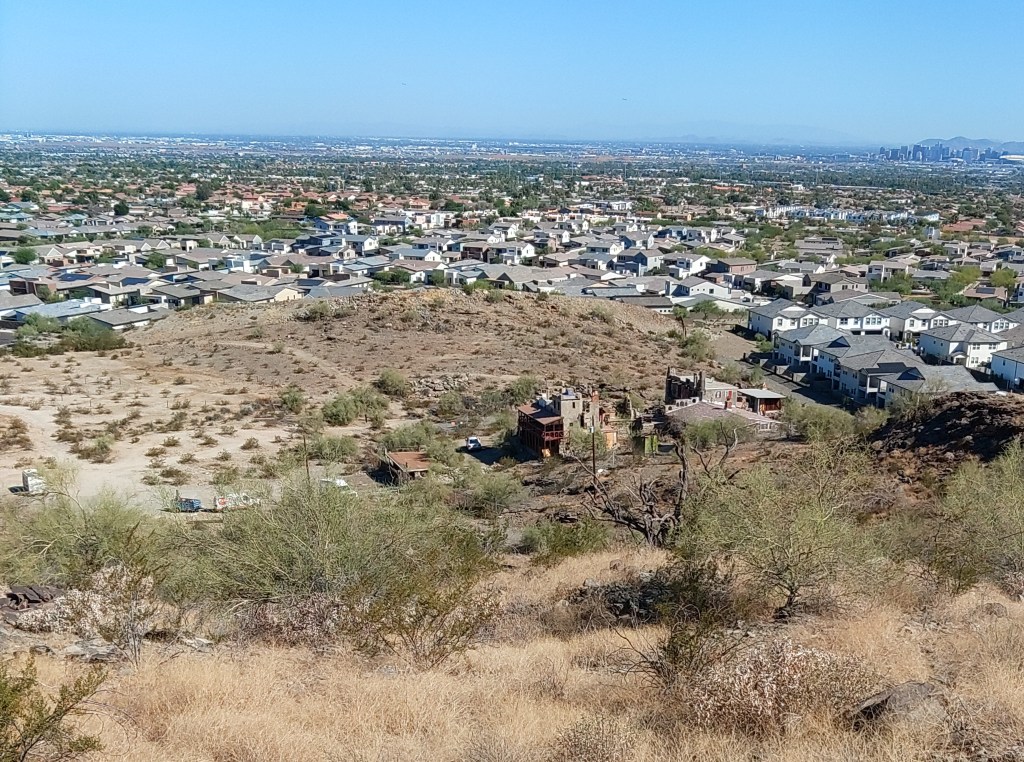
The Castle and surroundings

The Q&A that followed Harrell’s ad-hoc presentation centered mostly on the residents of the local housing developments worried about parking overflow from the Mineral Springs “trailhead”.  Harrell had no answer for that other than he might open some Castle parking for that purpose.

Phoenix Vice Mayor, Kesha Hodge Washington, who also represents this area on the Council, was on hand and went to the front to provide a few non-answers for this ongoing and 100% city issue.  The “trailhead” here is a different article.

It may be that Mystery Castle and it’s possible future parking provides that answer. But it doesn’t have to. That’s on a long list of questions about this property the answers to which are “we’ll have to wait and see.”

Max Delta Trail

Max Delta is an entry level trail through the entrance of the preserve. It is named after the mine shaft that lies buried and officially off limits towards its southern terminus. That is another article. This is just about the trail.

This trail is part of the Infrastructure Vista Loop Hike.

From the trailhead at the entrance (across from Scorpion Gulch) the flat, wide trail winds west then south, narrowing as it climbs up the ridgeline it will follow for half its’ distance.  Your first landmark is a monument and plaque commemorating the city elders who re-designated the park into a Phoenix South Mountain Preserve.

If you’re new here, Phoenix was founded by developers who eventually become old and rich philanthropic preservationists determined to protect the precious desert from the new wave of developers. Somewhere in the 1970’s, 1973 – by the plaque, the old developers city elders started designating the “park” as a “preserve”.

Litigation followed. But here it is, still more -or-less preserved.

Heading south, the trail intersects with the interpretive trail behind the old visitor’s center. This is one of the last of the original CCC buildings that still sees actual use.  Looking out, you can easily see the new visitor center in the distance, and the work compound just across the street. The old administration building still has restrooms and water available to the public. The small ranger office and gift shop it once house have moved elsewhere.

The gunfire you hear from the far side of the ridge is not random. There is a gun range on the other side, both the private Phoenix Rod and Gun Club and the Phoenix Police training range.  These have been here since 1948, when these slopes were still a “park”. They expanded somewhat contentiously in the 1990s, closing the trailhead on the terminus of 7th Ave at Olney.

They are not supposed to shoot hikers, even accidentally, even hikers off the trail, but the party investigating will be the one most likely to have shot you, so stay on this side of the ridge.

Climbing down from the ridge you cross low hills with patches of barrel cacti, then saguaro then teddy-bear cholla. The trail goes down into a wash and Y’s on the far side. Max Delta proceeds south, to your right. To the left, the trail crossing the road is the Derby Trail aka Los Lomitas. You can take that turn and shave a good 40% off the loop hike. But for now, we follow the Max Delta.

The dirt turns grey as the trail crosses the arroyo, finally a bit away from the road.  You will cross another road, along with numerous washes, but it gives brief illusions of crossing open desert. Look for mine pits along the way.

The gates were closed at the San Juan Bike Hub, as this was not the first weekend of the month. It’s not closed to people, but certainly closed to vehicles. Even on the special weekend, it just affords closer parking to those who want to hike or bike down San Juan Road – which is another article.  There are some amphitheater seats which were not shaded in the afternoon by the large metal canopy, a trash receptacle, and a good number of empty parking spaces for both bikes and cars. I was the only person there when I arrived, and took a break there, surrounded by this rust-colored monument to municipal expenditure.

Then I proceeded east down the Bajada Trail to continue on with the loop.